iPhone 17 vs iPhone 16
iPhone 17 and iPhone 16 are both standard iPhone models, but they sit in different generations. iPhone 17 brings a larger 6.3-inch display, ProMotion up to 120Hz, Always-On display, the A19 chip, 256GB starting storage, a 48MP Dual Fusion camera system and an 18MP Center Stage front camera. iPhone 16 remains a capable iPhone with the A18 chip, Apple Intelligence support, Action button, Camera Control, a 48MP Fusion Main camera and a lighter body. This comparison is not about saying every iPhone 16 owner needs to upgrade. iPhone 17 is the stronger choice if you are buying new or if you care about the display, front camera, battery estimate and higher starting storage. iPhone 16 can still make sense if you already own it, find it at a good price or do not need the newer display and camera features.
Last updated: August 14, 2026
Apple
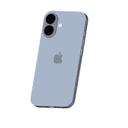
iPhone 17
A newer standard iPhone with ProMotion, Always-On display, higher starting storage and an upgraded front camera.
Apple
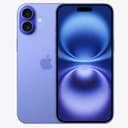
iPhone 16
A lighter standard iPhone with A18 performance, Apple Intelligence support and familiar iPhone features.
Not enough votes yet
Be the first to cast your vote above!
↑ Cast your vote to help build the results
Specifications
Pros & Cons
iPhone 17 — Pros
iPhone 17 — Cons
iPhone 16 — Pros
iPhone 16 — Cons
Our Verdict
iPhone 17 is a meaningful upgrade over iPhone 16, mainly because of the display, storage, front camera and battery estimate. It adds ProMotion up to 120Hz, Always-On display, 256GB starting storage, an 18MP Center Stage front camera and up to 30 hours of Apple-listed video playback. iPhone 16 is still a capable standard iPhone. It has the A18 chip, Apple Intelligence support, Action button, Camera Control, a 48MP Fusion Main camera and a lighter body. It may still be a good choice if you already own it or find it at a lower local price. There is no need to frame this as a universal winner. iPhone 17 is the better fit for buyers who want the newer standard iPhone features. iPhone 16 is still reasonable for users who do not need those upgrades or want to avoid replacing a phone that still works well.
Which One Should You Choose?
Choose iPhone 17 if...
Choose iPhone 16 if...
Frequently Asked Questions
Q:Is iPhone 17 better than iPhone 16?
A: iPhone 17 has several clear upgrades over iPhone 16, including a larger display, ProMotion up to 120Hz, Always-On display, A19 chip, 256GB starting storage, an 18MP Center Stage front camera and longer Apple-listed video playback. However, iPhone 16 is still a capable iPhone with A18, Apple Intelligence support, Action button and Camera Control. The better choice depends on whether those newer features matter to you.
Q: What is the biggest difference between iPhone 17 and iPhone 16?
A: The display is one of the biggest differences. iPhone 17 has a 6.3-inch display with ProMotion up to 120Hz and Always-On display. iPhone 16 has a 6.1-inch display and does not list ProMotion or Always-On display in Apple’s technical specifications.
Q: Does the iPhone 17 have better battery life than the iPhone 16?
A: Apple lists up to 30 hours of video playback for iPhone 17 and up to 22 hours for iPhone 16. Real-world battery life can still vary depending on screen brightness, mobile signal, camera use, apps, gaming, AI features and settings.
Q: Do both phones support Apple Intelligence?
A: Yes. Apple lists Apple Intelligence support for both iPhone 17 and iPhone 16. Availability can vary by language, region, device settings and software support.
Q: Which phone has the better front camera?
A: iPhone 17 has the newer front camera setup. Apple lists an 18MP Center Stage front camera for iPhone 17, while iPhone 16 has a 12MP TrueDepth front camera. This may matter for selfies, video calls, Centre Stage features and Dual Capture.
Sources & References
Prices, features and specifications in this comparison were verified from official sources.
- ↗Apple iPhone 17
- ↗Apple iPhone 17 Technical Specifications
- ↗Apple iPhone 16 Technical Specifications
- ↗Apple Intelligence
Last verified: August 2026
Community (0)
Share your experience with iPhone 17 or iPhone 16
No opinions shared yet
Be the first to share your experience with iPhone 17 or iPhone 16
People also compared
More matchups connected to iPhone 17, iPhone 16, or Smartphones